

What Are Custom Chenille Patches?
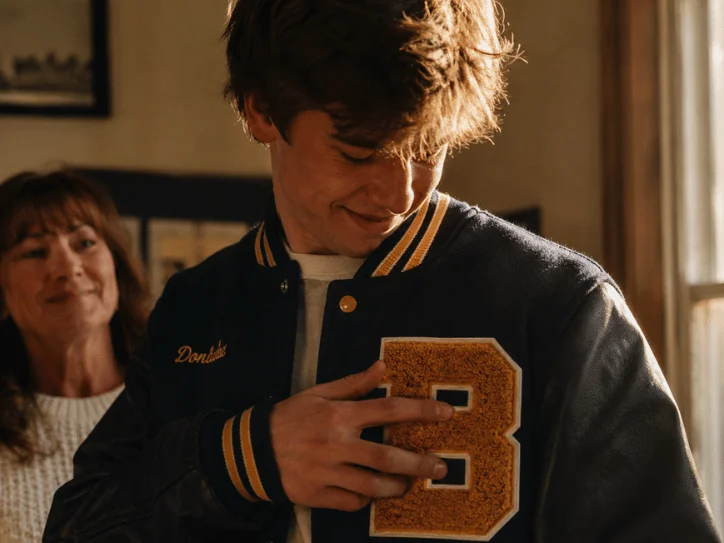
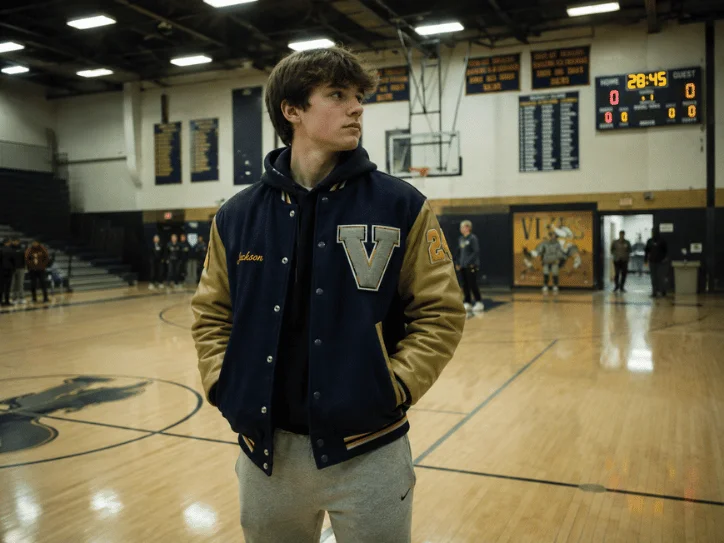
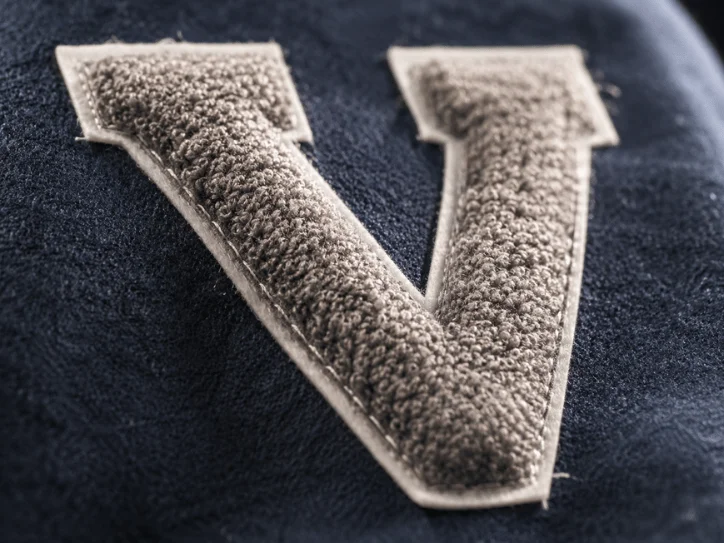
Walk into any high school gym in America and look at the jackets. See that soft, fuzzy letter stitched across the chest? That’s chenille.
It is one of the oldest recognition traditions in American athletics. It still means the same thing it did generations ago: you earned this.
Custom chenille patches are made from thick chenille yarn. The yarn is looped into a design to create a plush, raised surface. Run your thumb across one, and it feels like velvet or soft carpet.
The yarn gives the artwork a bold, three-dimensional look. Flat thread simply cannot match it.
We make them every day at Patch Specialist, and the appeal never changes. Schools want them. Sports teams want them. Clubs want them.
The texture says premium before anyone reads a single word.
Why Chenille Rules the Letterman Jacket
Here's something most blogs skip. The reason varsity letter patches have stayed chenille for a century isn't nostalgia. It's physics.
The raised pile catches light and shadow. That means a chenille letter stays sharp and legible from across a field, while a flat embroidered one washes out and blurs at distance. Coaches noticed this long before anyone wrote it down.
Then there's the feeling. People instinctively reach out and touch chenille. That small physical moment builds a stronger memory of your team or brand than any flat patch ever will.
Flat thread decorates. Chenille declares.
We tell clients ordering their first batch: never judge chenille under a desk lamp.
Judge it under gym lights. Stand ten feet back.
That’s where the raised pile does its job. Flat embroidery quietly disappears.
Types of Chenille Patches
Chenille isn't one-size-fits-all. We sort it three ways: by design, build, and attachment method. Knowing the difference helps you order the right patch for your jacket.
By Design Style
- Letter patches — the classic varsity look for schools, teams, and clubs.
- Number patches — player numbers, graduation years, and jersey designs.
- Logo patches — bold organization identities with a premium 3D finish.
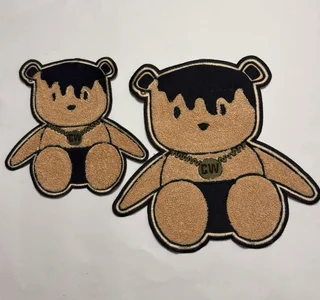
- Mascot patches — team mascots with added embroidered detail.
By Construction & Finish
- Single-layer — one clean layer of yarn with a traditional varsity feel.
- Multi-layer — stacked yarn for extra depth and a richer raised effect.
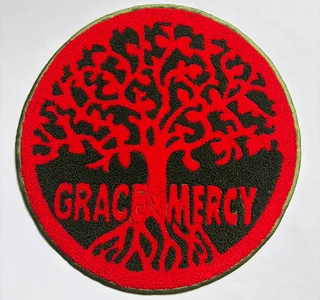
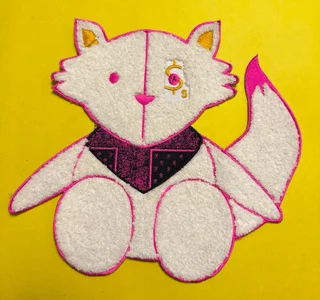
- Chenille + embroidery hybrid — a fuzzy body with crisp stitched details.
- Chenille appliqué — mixed fabrics and textures for a unique look.
By Application Method
- Sew-on — the most durable option. Best for items worn often.
- Iron-on — heat-activated backing for lighter-use garments.
- Velcro — removable and great for uniforms that swap patches often.
Before choosing a design, think about where it will go. That choice shapes everything else.
The Benefits Buyers Actually Feel
There's a long list of reasons teams keep coming back.
Here are the ones that matter most:
- Bold 3D texture that reads from a distance — the raised pile catches light where flat thread blurs, so no other patch type looks like it.
- Strong heritage pull — chenille means achievement, pride, and belonging.
- Vibrant, lasting color — chenille yarn drinks up dye and holds it.
- Large-format friendly — perfect for big letters and jacket-back pieces.
- Ages with character — quality chenille softens over seasons instead of cracking or peeling.
- Hybrid capability — a fuzzy chenille body plus fine embroidery solves the "no fine detail" limit, giving you bold, bulky embroidery patches with sharp lettering in one piece.
That last point is a game-changer.
Most buyers don't know you can combine chenille and embroidery in a single piece — a plush base with a crisp mascot face or fine lettering stitched right in.
How Chenille Patches Are Made
Understanding the build helps you recognize quality. Here’s the process we follow:
- Backing first. A felt or twill base gives the patch its structure.
- Chain-stitch outline. The design is secured with a chain stitch. It adds strength, not just style.
- Chenille fill. A specialized machine loops the yarn to create the soft, raised pile.
- Embroidery detail. Fine faces and small text are added with satin embroidery, since thick yarn cannot hold tiny details alone.
- Border & backing. The patch is finished with a merrowed, embroidery, or sequin edge and prepared with sew-on, iron-on, or Velcro backing.
PRO TIP
The chain-stitch-first step is the key.
Skip it or rush it, and the yarn loosens and sheds within a season.
Do it right, and quality chenille keeps its shape for years.
When comparing suppliers, ask how they secure the design. The answer tells you everything.
Chenille Patch Pricing in 2026
Prices vary by size, quantity, design complexity, and backing.
These are general 2026 market ranges, not fixed rates.
Use them as a guide, not a price list.
| Order Type | Typical Price (per piece) |
|---|---|
| Small runs / no minimum | $8 – $15 (standard varsity letters) |
| Mid-volume, 50+ pieces | $6 – $12 |
| Large volume, 100+ pieces | $4 – $8 |
| Small / simple designs | $2.50 – $6 |
| Setup fee (new design) | ~$45 – $75, often waived on larger runs |
Note: These are market averages, not our quote. Custom dye colors, rush orders, and shipping location can shift the final price — send your design for an exact figure.
Size is the biggest price driver.
One digitized chenille design can be reused across varsity jackets, staff wear, alumni merch, and fundraiser apparel.
For sports team patches and school programs that reorder yearly, saved designs remove setup fees and make each batch more affordable.
GET A QUOTE
Want real numbers for your design? Send us your artwork and we'll turn around a mock-up in 24 hours or less. Start your custom quote.
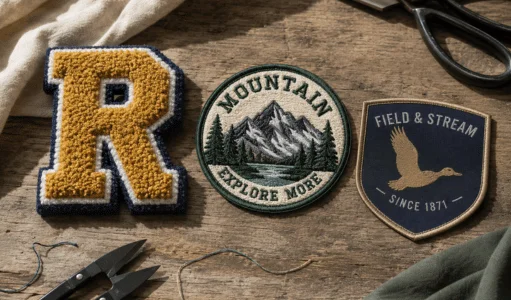
Chenille vs. Embroidered vs. Woven Patches
Chenille isn't your only option — and it isn't always the right one.
Picking the right patch type comes down to your design and how it'll be worn.
Here's the honest breakdown:
| Feature | Chenille | Embroidered | Woven |
|---|---|---|---|
| Appearance | Bold, raised 3D varsity look | Classic stitched texture | Smooth, clean, flat |
| Texture | Soft, fuzzy, plush | Slightly raised thread | Lightweight, smooth |
| Best For | Letterman jackets, teams, clubs | Uniforms, logos, general apparel | Fine logos, small text |
| Design Style | Big letters, numbers, bold symbols | Medium-detail designs | Intricate, fine detail |
| Overall Impact | Premium, traditional varsity | Professional, versatile | Modern, highly detailed |
"The best patch isn't the fanciest one. It's the one that fits your design, your budget, and how hard it'll be worn."
How to Choose the Right Chenille Patch
Choosing the right chenille patch is not just about the design. It’s about making sure the final patch looks great, feels premium, and lasts.
Here are the simple rules we use to get it right:
- Bold designs need bold texture. Large letters, numbers, and simple symbols look best in pure chenille, where the raised yarn gets all the attention.
- Details need a smarter approach. For detailed artwork, a chenille + embroidery hybrid keeps the soft texture while adding sharp, clean details.
- Size changes everything. Go 6"+ for jacket backs, 3–4" for chest and sleeves, and avoid going under 2" where details can get lost.
- Backing decides durability. Choose sew-on for jackets and heavy wear, iron-on for lighter use, and Velcro when patches need to be removed or swapped.
Choose your backing before your design.
A heavy jacket patch needs sew-on backing. Knowing this early helps shape the size and detail.
Many first-time buyers finalize the artwork first, then find their preferred backing cannot support the weight.
How to Care for Your Chenille Patches
Chenille is built to last, but premium materials deserve premium care. A few simple habits protect the raised texture, rich feel, and craftsmanship that make chenille patches special.
Keep your patch looking new with these care steps:
- Wash gently. Use cold water and a soft cycle. Hot water and aggressive spins can loosen the yarn loops over time.
- Protect the pile. Turn the jacket inside out and zip it before washing. Open snaps and rough surfaces can catch the raised fibers.
- Limit friction. A mesh laundry bag adds an extra layer of protection and helps preserve the soft chenille finish.
- Handle with care. Never twist or wring the jacket. Gently press out excess water instead.
- Steam, don’t press. An iron can flatten the chenille pile. Use a steamer from a short distance to refresh the texture without damaging it.
- Restore the texture. If the fibers become flattened, a soft brush can lift the pile and bring back the original feel.
For wool chenille patches and iron-on backings, allow the adhesive time to fully cure. Wait a few days before the first wash to ensure a stronger hold.
Care for it properly, and your chenille patch will keep its texture, shape, and premium look for years
The Bottom Line
Chenille earned its place on the letterman jacket.
It looks premium, stands out from across the field, and carries a heritage that flat patches simply can’t match.
Get the construction right — chain stitch first and sew-on for heavy wear — and it will age beautifully for years.
For schools, teams, and clubs, the value goes further. One quality design can be stored and reused, making every reorder more affordable.
That’s the quiet advantage of custom chenille patches: they don’t just represent tradition. They become part of it.
“A great patch doesn’t just mark an achievement — it preserves the story behind it.”
READY TO START?
Pick your style, fill out the quote form, review your art proof, and place your order. It's that simple. Design your custom chenille patches with Patch Specialist today — mock-up in 24 hours or less.