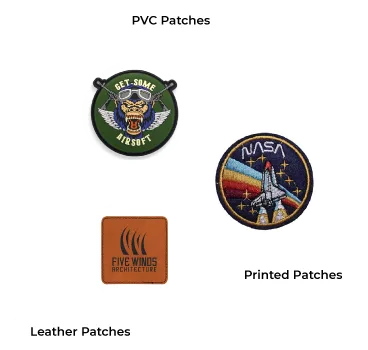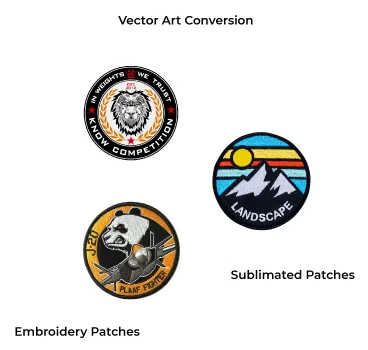


1. Why Leather Patches Are the Premium Choice for Denim, Bags & Caps
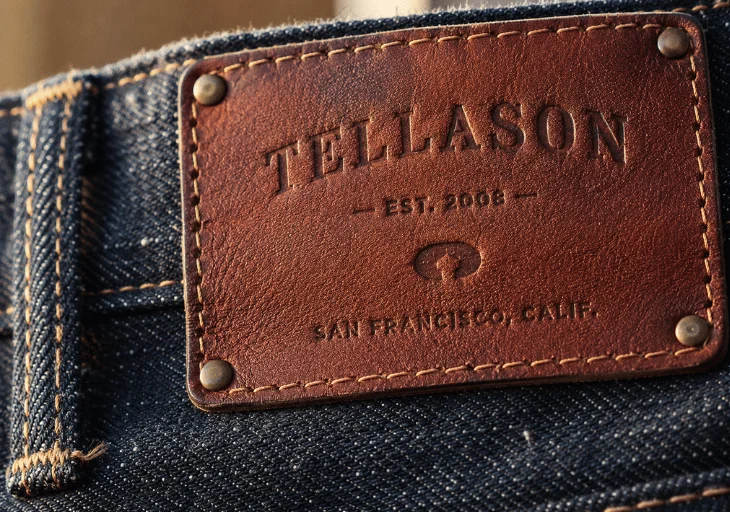
Walk into any premium denim store and touch the back of the waistband.
Nine times out of ten, you'll feel a small square of leather — not a printed tag.
That's no coincidence.
Custom leather patches have become a symbol of quality, craftsmanship, and premium design.
The reason is simple: leather adds something customers can see and feel. Its natural grain, texture, and durability create a higher-value impression that no printed label can match.
A small leather patch transfers that premium feeling to denim, bags, and caps — without adding much production cost.
I've spent years on the Patch Specialist factory floor, seeing what works and what fails.
In this guide, I'll share the types, backing options, pricing, and factory insights that separate a patch lasting months from one lasting years.
2. What Makes Leather Patches Feel "Premium"
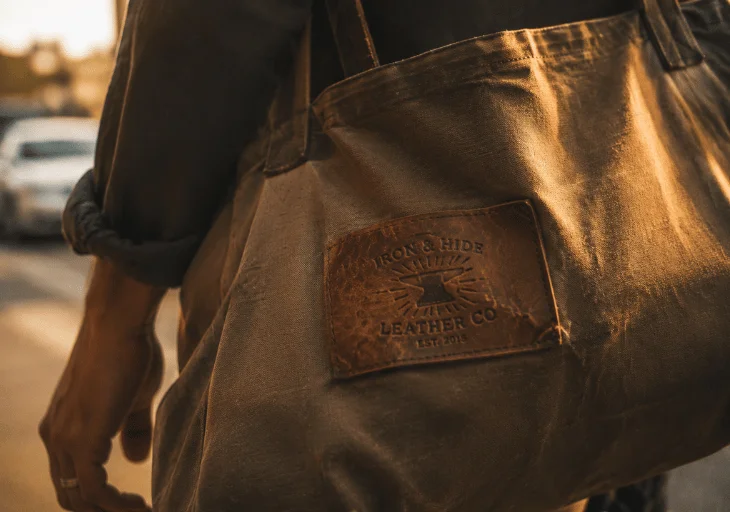
Premium isn't a color or a logo. It's a feeling in the hand.
Leather delivers that instantly — the grain, the weight, the slight give when you press it.
A printed label can copy a design, but it can't copy texture.
Then there's the part almost nobody talks about: leather ages in the best way.
A printed label degrades. Genuine leather improves.
It slowly darkens, softens, and builds a unique shine called a patina.
Just like good jeans earn their character over time, a leather patch grows richer and more personal with every wear.
That "lived-in luxury" is something a plastic tag can never fake — and it's exactly why customers keep a leather-patched jacket for years instead of replacing it.
The Thickness Trap
Here's a mistake we see constantly: brands order one patch thickness for everything.
Don't.
For a curved cap panel, we cut patches at 1.2–1.4mm so they flex with the curve instead of curling up at the corners.
For bags and heavy denim, we go 2mm or thicker so the patch feels substantial and handles daily wear.
Order a 2mm patch for a cap, and it can start lifting at the edges within weeks.
The reason is simple: the leather is too thick to bend naturally with the fabric.
3. Types of Custom Leather Patches
Leather patches are divided in two ways: by material and by how the design is applied. The right combination shapes your product's look, feel, and brand image.
By Material
- Genuine Leather Patches — Made from real animal hide with a natural, rugged look that develops a patina. The top-tier choice for authenticity, and customers notice the difference.
- Faux (Vegan) Leather Patches — Replicate the look of real leather while staying cruelty-free and cost-effective, with consistent color and quality from batch to batch.
By Finish
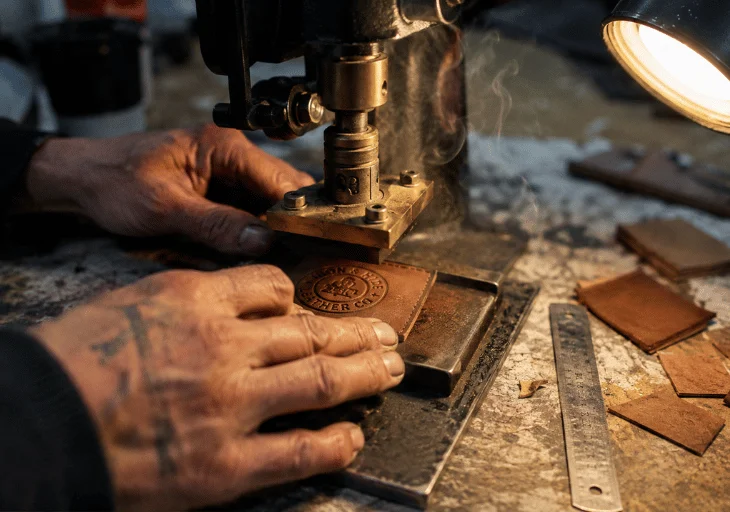
- Embossed / Debossed Leather Patches — A raised or recessed logo that creates depth, texture, and a premium tactile feel.
- Printed Leather Patches — Full-color printing for detailed logos, artwork, and complex designs.
- Laser-Engraved Leather Patches — A logo etched into the leather surface for clean, sharp detail and a refined finish.
Embossing vs Debossing — The Psychology of Branding
Debossing presses the logo into the surface, creating a minimal, elegant, and “quiet luxury” look.
Embossing raises the logo above the surface, creating a bolder and more noticeable appearance.
Many premium brands choose debossing on purpose because real luxury usually whispers instead of shouts.
Pro Tip
For tiny, detailed logos, skip debossing and choose laser engraving. It captures fine artwork with no custom die required — which means lower setup costs and faster turnaround on small-batch and custom orders.
4. Application & Leather Backing Options
A gorgeous patch is useless if it falls off. Your leather backing options decide how securely it stays attached and how well it performs over time.
Match the method to the product and how it'll be worn or washed.
- Sew-on — The strongest and most durable option. Best for denim, bags, and heavy-use products.
- Heat-activated — Applied with heat, ideal for quick application and small batches.
- Adhesive — Simple option for lightweight items and prototypes.
- Rivet — A rugged attachment method that adds style to bags and heavy denim.
Insider Secret — The Wash-Cycle Reality Check
Heat-activated patches feel like magic — no needle, no machine, just a press.
But most leather-look adhesives soften and release around 70–80°C (160–175°F).
Send that garment through a commercial dryer or a few hot washes, and the patch creeps at the edges, then lifts.
For anything that faces real washing, we specify sew-on — stitched with a purpose-built leather needle, never a standard one.
A regular needle punches holes that tear along the seam like perforations.
A leather needle slices a tiny angled cut the hide closes around and grips.
5. Leather vs Embroidered vs PVC Patches
Which patch actually fits your product?
Here's a quick, honest comparison of the three most popular options.
| Feature | Leather | Embroidered | PVC / Rubber |
|---|---|---|---|
| Look & Feel | Premium, natural grain | Classic, textured | Modern, sporty |
| Durability | Excellent — ages well | Very good | Excellent — waterproof |
| Best For | Denim, caps, bags, wallets | Uniforms, jackets, hats | Outdoor & tactical gear |
| Detail Level | Clean logos (laser/deboss) | Text & simple logos | High detail, bold color |
| Perceived Value | Highest | Medium-high | Medium |
| Cost (per piece) | $2–$4 | $0.40–$1.50 | $1–$2.50 |
| Weather Resistance | Good (sealed) | Medium | Best |
See It On Your Product
Want to see how a genuine leather patch for jeans or a leather logo patch for hats looks on your own design? Explore samples and options at
6. Leather Patch Pricing in 2026
Cost is the first question every business owner asks.
Here are the honest 2026 ranges — for real custom orders, not just single samples.
- Budget: $0.30–$0.80 — simple faux/PU leather on larger runs.
- Standard: $1–$3 — custom genuine leather with basic branding.
- Premium: $3–$8+ — full-grain leather, complex designs, special finishes, smaller quantities.
What moves the price:
The final cost depends on a few things: the type of leather you choose, the patch size and thickness, the design method (embossing, debossing, or laser engraving), the number of pieces you order, the backing option, and any extra finishing details.
Larger orders usually reduce the cost per piece. Even starting from around 25 pieces, business orders can unlock better pricing and improve profit margins.
7. The Real Business Benefits
A leather patch isn't a cost.
It's leverage.
One example from our own client work: a brand selling plain canvas totes at $28 added a single debossed leather patch — about $1.50 a unit.
They relaunched the same bag at $49.
It sold better at the higher price because the leather made it feel premium instead of blank.
That's the whole game in one story.
Here's how that leverage breaks down:
- Higher perceived value = pricing power. A small added cost lets you charge a much higher retail price.
- Low cost, high impact. Cheap per unit, big lift in how premium the product feels — strong ROI.
- Fewer returns. Durable patches resist fading and damage, which lowers complaints and protects your reputation.
- Repeat buyers. A quality feel signals a quality product, so customers come back and refer others.
- Versatile inventory. One patch design works across denim, caps, bags, and jackets — simpler stock, lower costs.
- A marketing hook. Phrases like "Genuine Leather Patch" justify higher prices in listings and ads.
Insider Secret
In most businesses, this is where owners struggle: they see the patch as an expense line.
The brands that win flip it — they treat embossed leather patches as the reason they can add $10–$20 to the retail tag.
And the market is on your side here: genuine leather still holds over 52% of global leather-goods revenue precisely because buyers equate it with quality.
You're not inventing that perception — you're borrowing it.
8. Leather as a Fashion & Placement Detail
Branding is only half the story.
Leather adds texture — set a smooth patch against rough denim or raw canvas, and the contrast alone says "designed on purpose."
It's the trick luxury brands use.
Placement That Turns Heads
Placement changes everything.
The back yoke of a denim jacket and the front panel of a cap hit hardest — eye level, logo front and center.
My rule: put the patch where a stranger's eyes land first, not where it's easiest to sew.
Hats as Moving Billboards
A leather patch hat is a walking advertisement that never clocks off.
Every wear earns free impressions in front of new eyes — and one design works across trucker hats, snapbacks, dad hats, and beanies.
One patch, one setup cost, dozens of moving billboards.
9. The Bottom Line
Leather patches offer a rare advantage: low cost, high impact, and a premium look customers can see and feel.
Whether you sell denim, caps, or bags, the right custom leather patch can increase perceived value, strengthen your brand image, and encourage repeat purchases.
Choose the right material. Match the backing to the product. Design with purpose.
A small leather patch can become a powerful detail that makes your product stand out.
Ready to Build Yours?
Let's turn your logo into a patch that sells. Get expert help choosing the right leather, finish, and leather backing options for your product — start here: